Skip to content
HEATING OIL TANKS

Oil tank replacement done right.

Whether your tank is aging, showing signs of deterioration, or simply no longer the right setup for your home, Levco can evaluate what you have, recommend the right replacement, and handle the installation from start to finish.

Phil says: Age matters, but condition tells the bigger story. We look at the entire setup before recommending replacement.

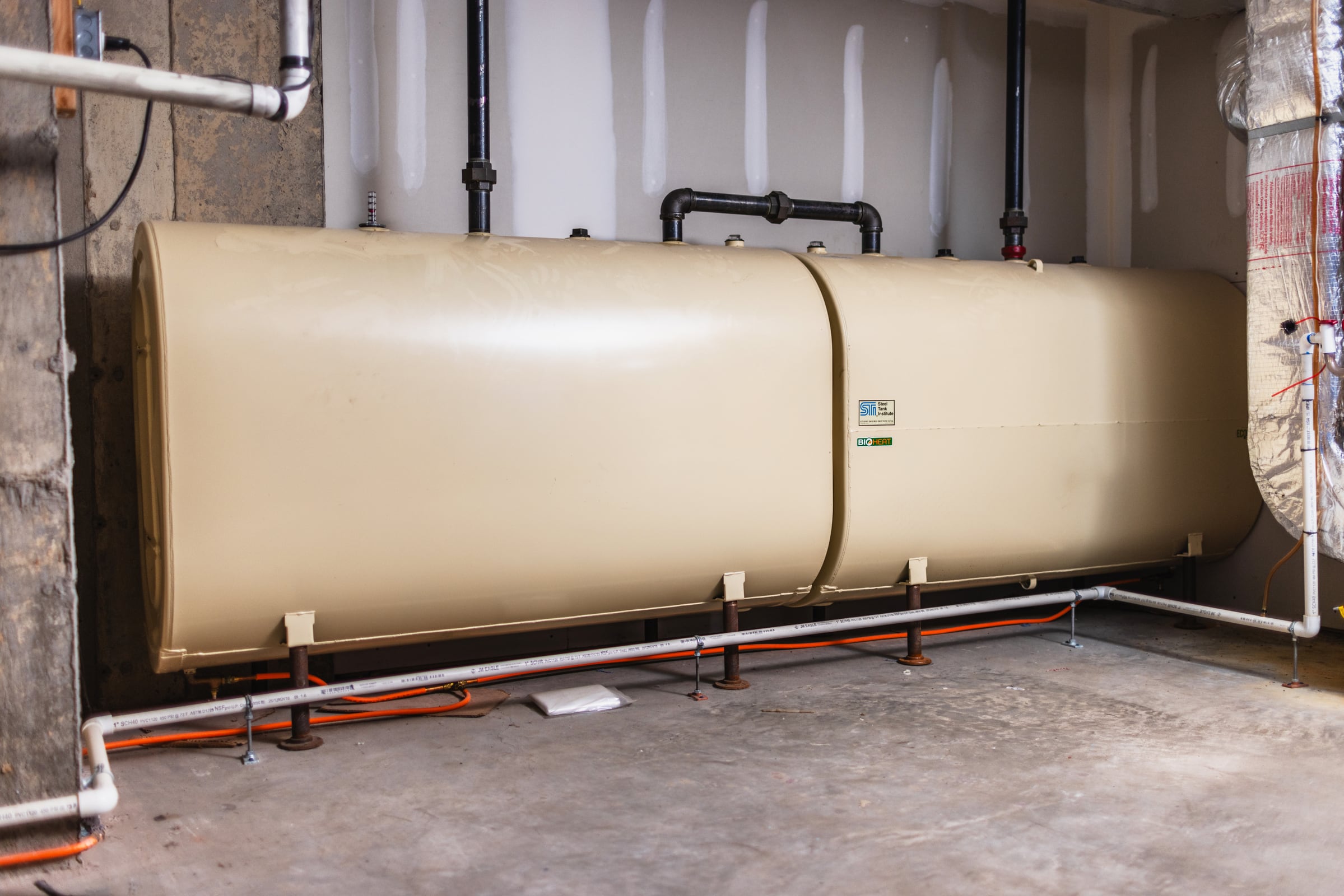
Newly installed pair of connected heating oil tanks with finished piping in a Connecticut basement
QUICK ANSWER
Whether your tank is aging, showing signs of deterioration, or simply no longer the right setup for your home, Levco can evaluate what you have, recommend the right replacement, and handle the installation from start to finish.

Key takeaways

  • We review the existing tank and setup first
  • Single-wall and double-wall options
  • A clear written quote before work begins
  • From permitting to installation, we handle the replacement from start to finish
WARNING SIGNS

Six signs your oil tank needs a closer look.

Oil tanks can deteriorate over time, sometimes in places that aren’t easy to see. If you notice any of these signs, have the tank evaluated before a small issue becomes a bigger one.

  • Weeping or wet spots

    At seams, fittings, or the tank bottom — condensation is normal, drips are not.

  • Rust bloom or pitting

    On the outside of the tank, especially around the bottom.

  • Oil staining underneath

    Staining or oily residue on the floor beneath or around the tank may indicate seepage or a developing leak.

  • Unstable legs or supports

    A tank that is leaning, shifting, or sitting on deteriorated supports should be evaluated before the condition worsens.

  • Bulging, dents, or visible damage

    Changes in the shape of the tank or damage around fittings and connections can affect the integrity of the installation.

  • A persistent oil odor

    An oil smell that doesn’t clear or has appeared unexpectedly can be a sign that fuel is escaping somewhere in the system.

See an active leak or oil on the floor? Don’t wait for a quote. Call Levco and we’ll help you determine the appropriate next step.

(203) 533-8249
YOUR OPTIONS

Different homes need different tank setups.

There are two main tank constructions and several possible installation locations. The best choice depends on your existing setup, available space, access, local requirements, and how you want to balance cost, protection, and long-term peace of mind.

Single-Wall Steel

The traditional residential oil tank. Simple, proven, and available in configurations that fit many existing Connecticut homes.

  • Familiar, widely used construction
  • Multiple sizes and orientations available
  • Best choice depends on location, condition of the space, and installation requirements
  • Often the most economical replacement option

Double-Wall Tanks

Built with secondary containment around the primary tank for an added layer of protection.

  • Secondary containment built in
  • Multiple sizes and configurations available
  • Can provide additional protection against a primary-tank leak
  • Warranty and installation requirements vary by manufacturer and model

Indoor

When the home and access allow it, indoor placement protects the tank from weather and makes it easier to observe its condition over time.

Outdoor Above-Ground

When indoor installation isn’t practical, an appropriate outdoor setup may be considered. Tank construction, location, protection from weather, access, and applicable requirements all matter.

Existing  Underground Tanks

Older homes may still have underground oil tanks. We can help you understand the existing setup and discuss practical replacement or transition options when the tank reaches the end of its useful life.

Not sure what kind of tank you have? Our Heating Oil Tank Guide explains common sizes, configurations, warning signs, and what to look for in your existing setup.

WHAT HOMEOWNERS SHOULD KNOW

The right replacement starts with the existing setup.

Oil tanks can deteriorate over time, and age is only part of the picture. We look at the tank's condition, construction, location, piping, available space, and how your home uses fuel before recommending a replacement.

  1. Step 1

    We start with your current tank

    We review the existing setup so the recommendation fits your home rather than defaulting to a one-size-fits-all replacement.

  2. Step 2

    You may have more than one option

    Depending on the space and installation, we can explain appropriate single-wall and double-wall tank choices and the differences between them.

  3. Step 3

    You'll know the cost before work begins

    After reviewing the project, we provide written options and pricing so you understand what's involved.

  4. Step 4

    We coordinate the replacement

    Our team handles the removal and installation process, required connections, and the details needed to get your new tank properly set up.

THE ESTIMATE

What shapes the cost.

Every home and tank setup is different. The final price depends on the tank you choose, the existing installation, access to the space, and the work required to complete the replacement properly. We review those details first and provide a clear written scope and price before work begins.

  • Tank size & construction: Single-wall, double-wall, capacity, and configuration.
  • Access to the tank: Stairs, doorways, finished spaces, and other installation constraints.
  • Removal of the existing tank: Old-tank removal and disposal
  • Piping & connections: Any fuel-line, fill, vent, filter, or other installation work required for the new setup.
  • Permits & project requirements: Applicable permitting, inspection, and site-specific requirements.
  • Existing fuel: How remaining heating oil will be transferred or otherwise handled during the replacement. 

Want to spread out the cost? Ask about available financing options when we review your quote.

No guesswork. We’ll explain the recommended setup, what the project includes, and what it will cost before you decide to move forward.

Ready to replace your oil tank?

Tell us about your current setup. We’ll review the details, explain your options, and provide a clear written quote for the right replacement.

LEARN MORE

More about this service

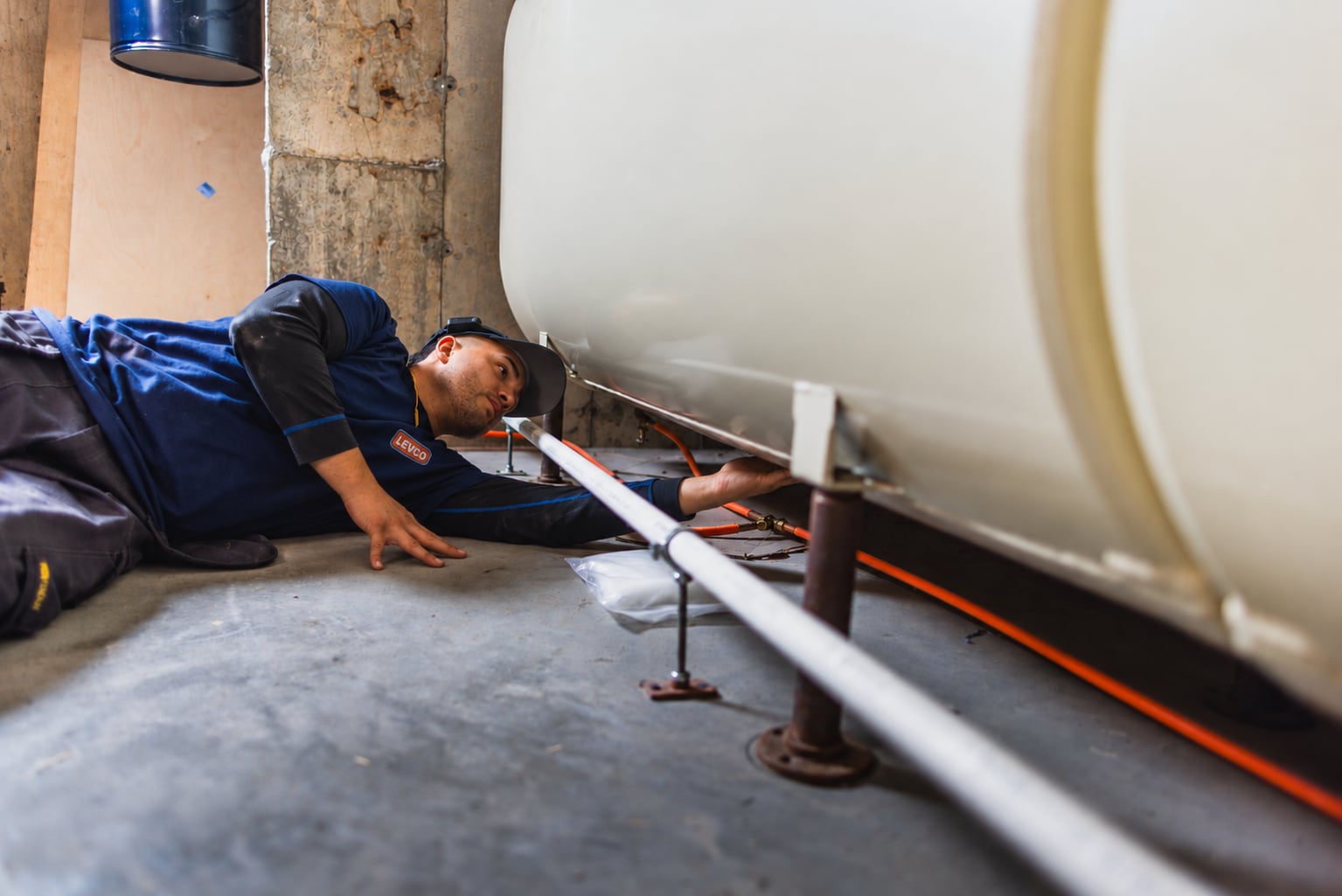
Levco technician installing and checking the piping beneath an indoor heating oil tank

Why Oil Tanks Fail From the Inside Out

Steel oil tanks almost never rust through from the outside. In cold weather, moisture condenses inside the tank, sinks through the oil, and settles on the bottom — quietly corroding the steel from the inside. That's why a tank can look fine years after the bottom has thinned, and why age matters more than appearance.

  • Indoor single-wall steel:20–30 years is common with care; 15–20 is the benchmark most insurers now use.
  • Double-wall tanks:Granby and Roth both make secondary-containment options; warranty terms vary by manufacturer and model.
  • Outdoor above-ground:weather exposure shortens tank life — plan on the low end of the indoor range.
  • Legacy underground steel:anything over 25 years old should be assumed to be at end of life.
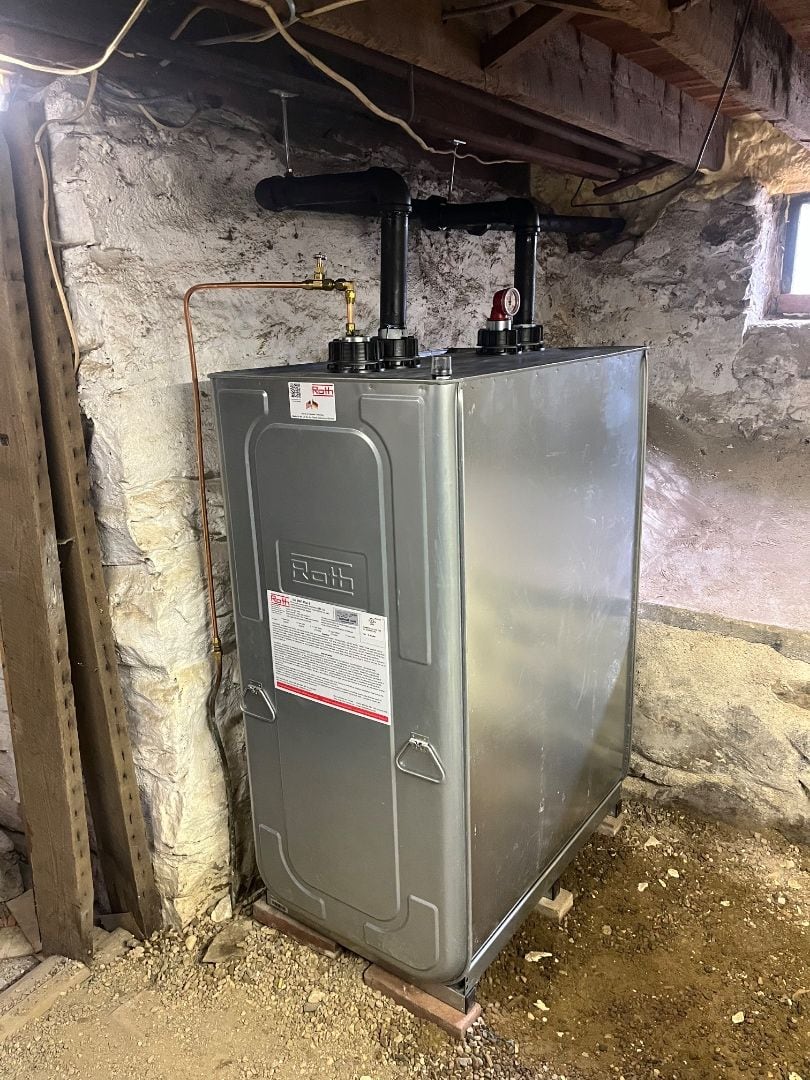
New Roth double-wall heating oil tank installed with finished fill and vent piping

Choosing Between Single-Wall and Double-Wall

The traditional oval 275-gallon steel tank is simple, proven, and the least expensive to install. A double-wall tank uses primary fuel storage inside secondary containment, so if the inner tank leaks, the outer layer contains the oil. Granby and Roth both make double-wall systems, and Granby is among the brands we install most often.

That secondary containment is why some Connecticut insurance carriers now prefer, or outright require, a double-wall tank on replacements. Before swapping a single-wall tank for another single-wall, call your carrier — a modest up-front upgrade can be the difference between a covered claim and a denied one. Our heating oil tank guide compares the construction types in more detail.

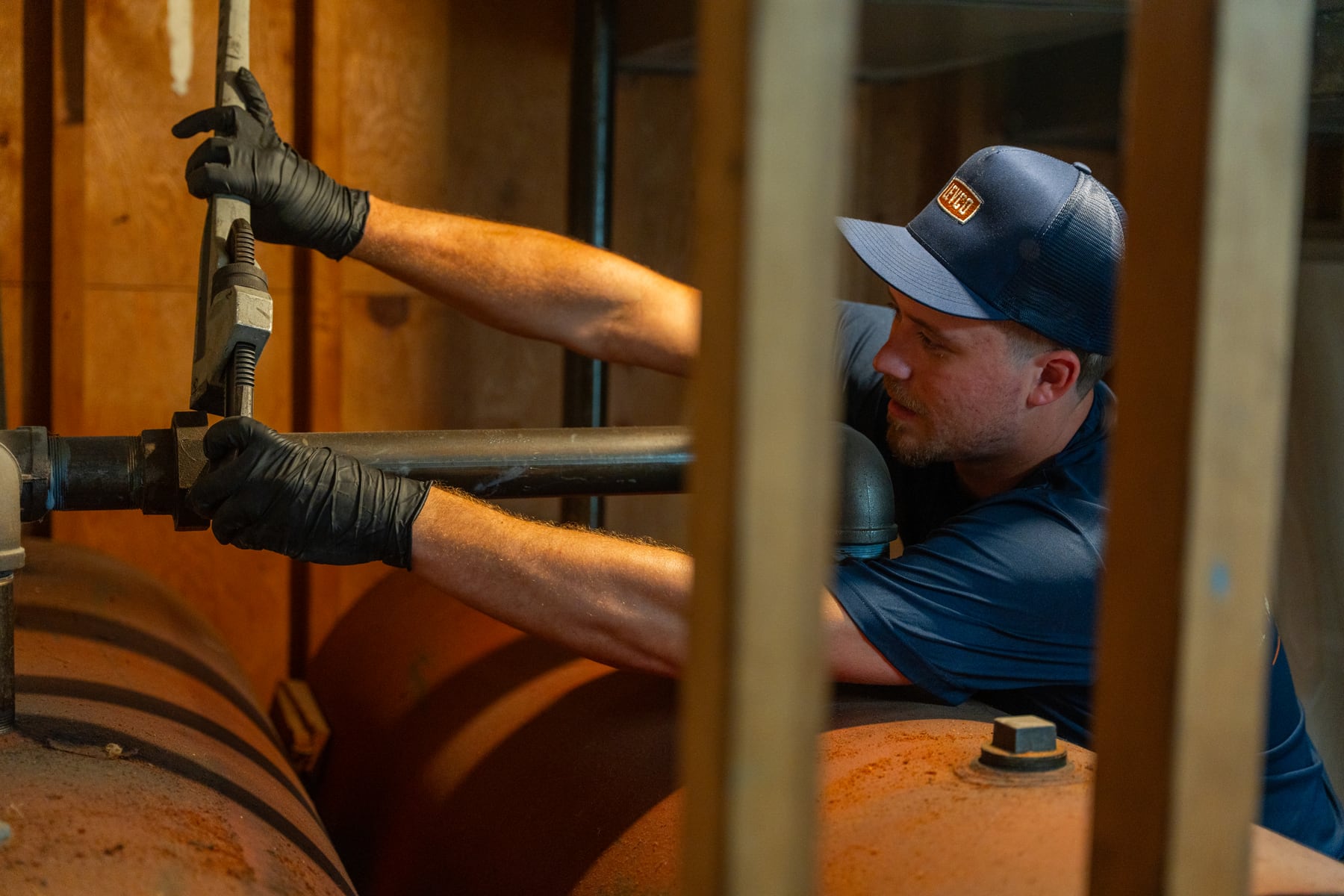
Levco technician servicing the piping on an indoor heating oil tank

Placement: Indoor, Outdoor, or Coming Out of the Ground

When a safe indoor location is practical, indoor placement is our preferred recommendation. A basement tank is protected from rain, snow, freeze-thaw cycles, and large temperature swings. That protection generally supports a longer service life, steadier fuel flow, and easier routine inspection. A vertical 275 needs roughly 30″ × 5′ of floor space; where headroom is tight, a horizontal tank or a pair of manifolded tanks may preserve the benefits of indoor placement.

If a suitable indoor location is not available, we recommend comparing the full alternatives instead of automatically defaulting to an outdoor oil tank. Depending on the home, equipment, available space, and long-term cost, a propane conversion may be the better solution. Our Comfort Advisors review the property and explain the practical trade-offs before recommending a direction.

Legacy underground tanks are their own conversation. A leak triggers CT DEEP-supervised remediation that most homeowner policies won't cover, so the standard paths are professional abandonment-in-place under the state's residential closure guidance, or removal followed by a carefully selected replacement or conversion. Keep the paperwork either way — Connecticut's property disclosure form asks about underground tanks, and buyers routinely want proof of proper closure.

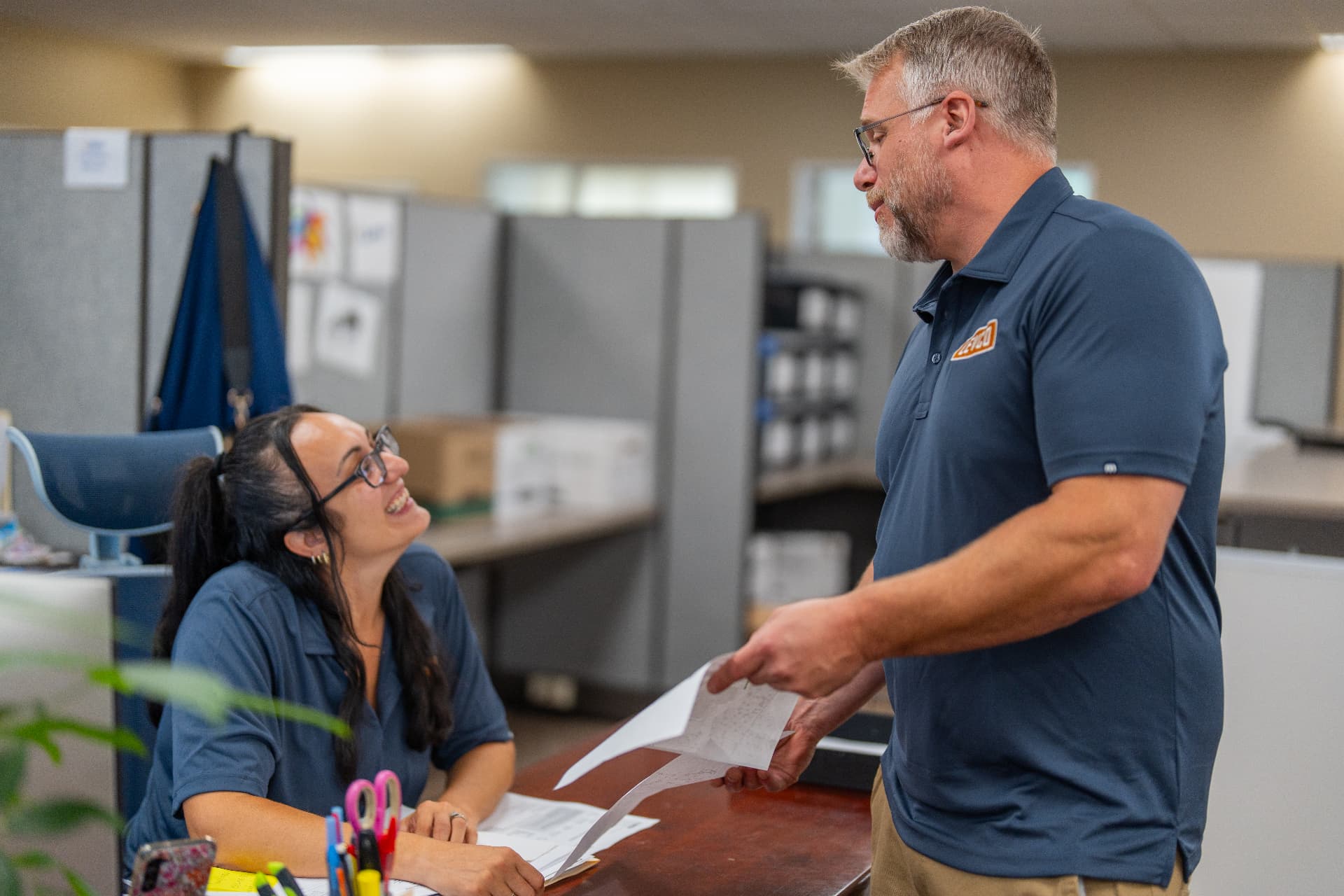
Levco office team reviewing oil tank installation paperwork and permit details

Permits, Code, and Doing It by the Book

Above-ground residential oil tanks in Connecticut are governed by NFPA 31 as adopted by the Connecticut Fire Safety Code, and the local fire marshal enforces it. That covers where the tank can legally sit, clearances from the burner, and vent and fill piping requirements. Permits are itemized in your written estimate, and the finished install documents cleanly — which is exactly what your insurance carrier and a future buyer will want to see.

Levco team member discussing a homeowner's oil tank estimate by phone

Getting the Estimate Right

Oil-tank pricing depends on the specifics: tank size and construction, access to the installation location, removal and disposal of the old tank, oil-line and filter work, and permits. We review the site and provide a written estimate based on the planned scope. If financing would help with an equipment project, ask about current options and terms when we review the estimate.

FAQ

Tank replacement, answered

How long does an oil tank replacement take?
Timing depends on access, tank size and construction, remaining oil, fuel-line or vent work, permits, and site conditions. Your written estimate explains the expected schedule and scope before work begins.
How much does it cost to replace an oil tank in Connecticut?
It depends on tank size and construction, access to the install location, old-tank removal, oil-line and vent rework, and permits. We review the home first and then provide the approved scope and price in writing.
Should I upgrade to a double-wall tank?
Often, yes. Double-wall tanks from manufacturers such as Granby and Roth add secondary containment, and some Connecticut insurance carriers now prefer or require one on new installs. Granby is one of the brands we install most often. Check with your carrier before replacing a single-wall tank with another single-wall.
Can you help with an underground oil tank?
Yes. We'll assess it and manage the appropriate closure or removal process, documentation, and replacement planning under applicable CT DEEP guidance. Keep the completed documentation because buyers commonly request it when a property is sold.
When should an oil tank be replaced?
A well-cared-for indoor single-wall steel tank lasts 20–30 years, though 15–20 is the benchmark many insurers now use. Replace sooner if you see weeping at seams or fittings, rust bloom or pitting near the bottom, oil staining under the tank, or sludge showing up in the filter.
What size tank will you install?
Most Connecticut homes stay with a 275-gallon tank. Larger homes, hot water off the boiler, or a preference for fewer deliveries can push you to a 330, a 550, or twinned 275s. Our heating oil tank guide covers the sizes in detail, and we confirm the right fit at the site visit.